Mole Biopsy: What It Is, When It’s Needed, and What to Expect
When a mole looks unusual, a mole biopsy, a procedure where a small sample of skin tissue is removed and tested for cancer. Also known as a skin biopsy, it’s the only way to know for sure if a mole is harmless or something more serious. This isn’t just a routine check—it’s a life-saving step when your skin sends warning signs.
Not every odd-looking mole needs a biopsy. Doctors look for changes in size, color, shape, or texture—like a mole that’s getting bigger, bleeding, or has uneven edges. These signs might point to melanoma, the deadliest form of skin cancer, which spreads fast if missed. A mole biopsy is also used when a mole doesn’t go away after treatment, or if it’s been changing over months. The biopsy itself is quick, usually done in a doctor’s office with a local numbing shot. There are two main types: a punch biopsy, where a tiny circular tool removes a core of tissue, or an excisional biopsy, where the whole mole is cut out. Neither hurts much, and recovery is simple.
Results take about a week. If the biopsy shows cancer, your doctor will talk about next steps—maybe more surgery, monitoring, or other treatments. If it’s benign, you’ll still need to keep checking your skin. Regular self-exams and annual dermatologist visits are key. Even if your mole was fine, new ones can appear, and old ones can change. That’s why knowing what to look for matters just as much as the biopsy itself.
You’ll find posts here that dig into how doctors decide when a mole needs a biopsy, what the lab looks for in the sample, and why some people get false alarms. There’s also info on how certain medications and sun exposure affect skin changes, and what to do if you’re worried about scarring or aftercare. These aren’t just medical facts—they’re real stories from people who’ve been through it, and the clear advice they wish they’d had sooner.
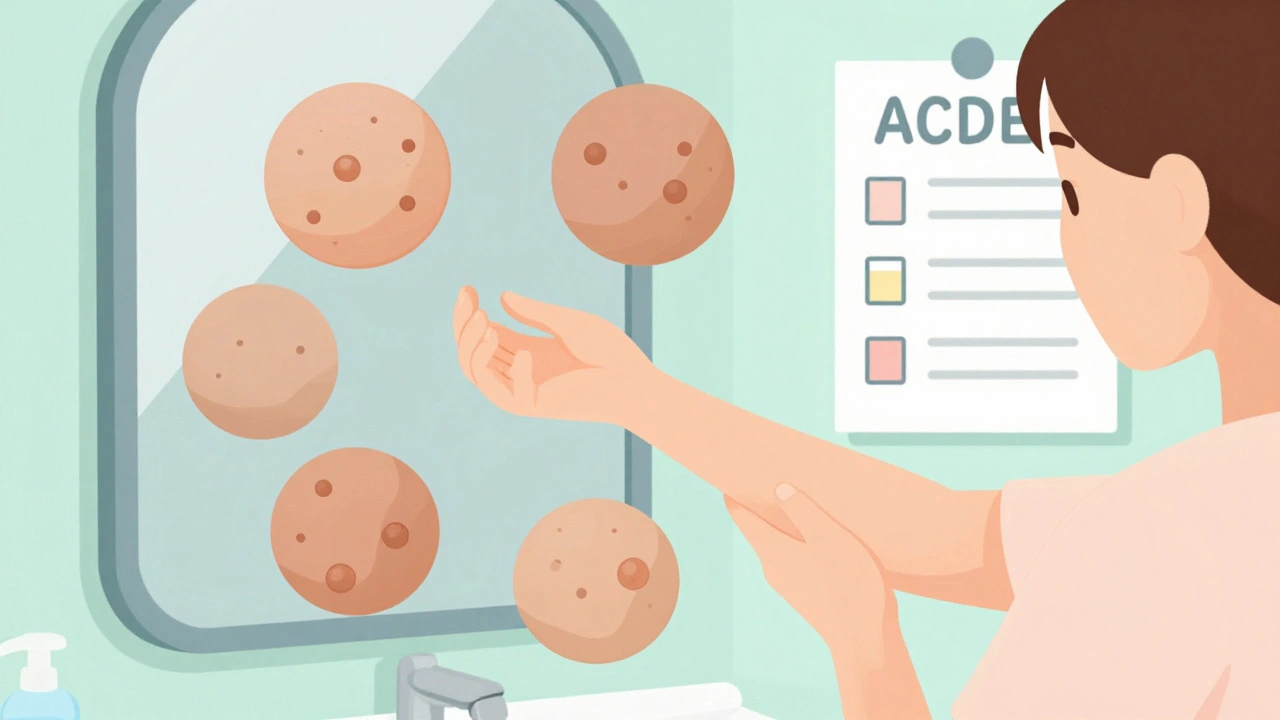
Moles and Melanoma: How the ABCDE Rule Helps Spot Skin Cancer Early
Learn how the ABCDE rule helps spot melanoma early, its limitations, and what to do if a mole looks suspicious. Understand when to get a biopsy and how to check your skin at home.
View MorePopular Posts