Category: Medicines - Page 3
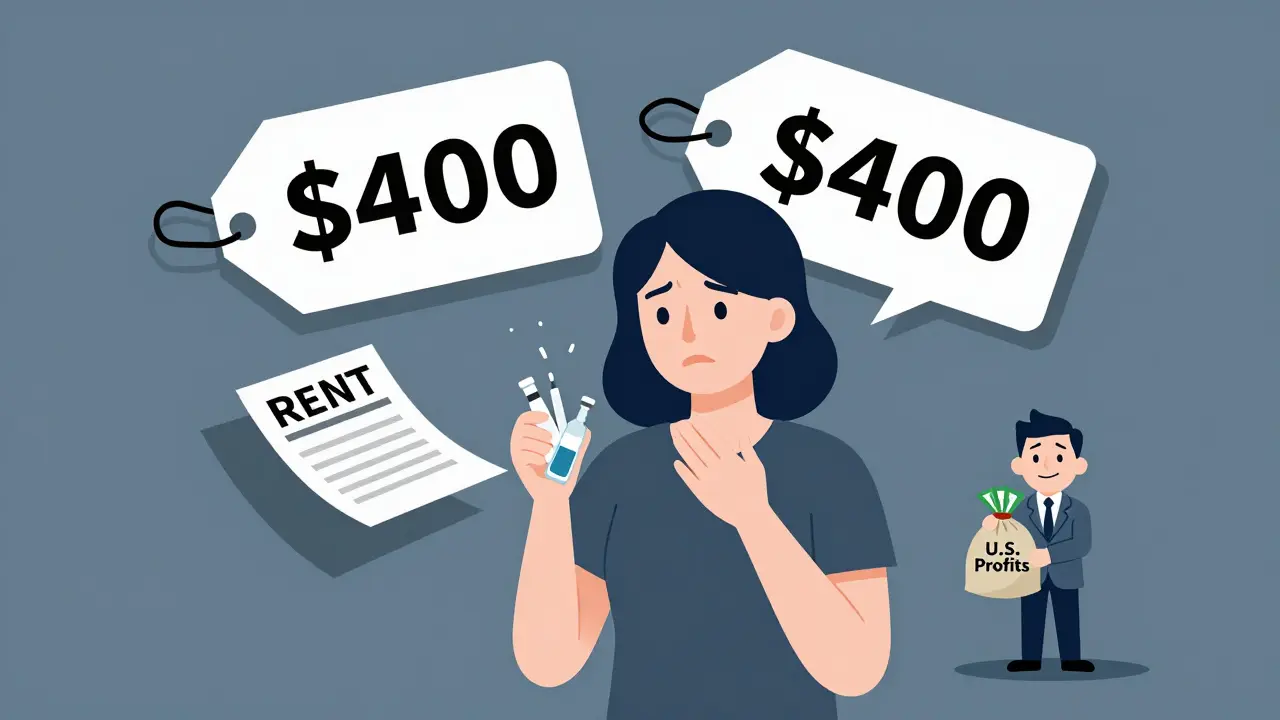
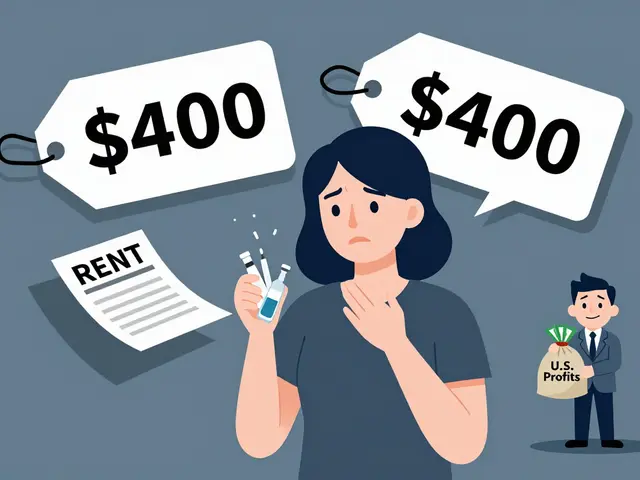
Why Prescription Drug Prices Are So High in the United States
Americans pay up to three times more for prescription drugs than other wealthy nations, despite identical medications. High prices stem from blocked government negotiation, profit-driven PBMs, and patent protections-not cost or innovation.
View More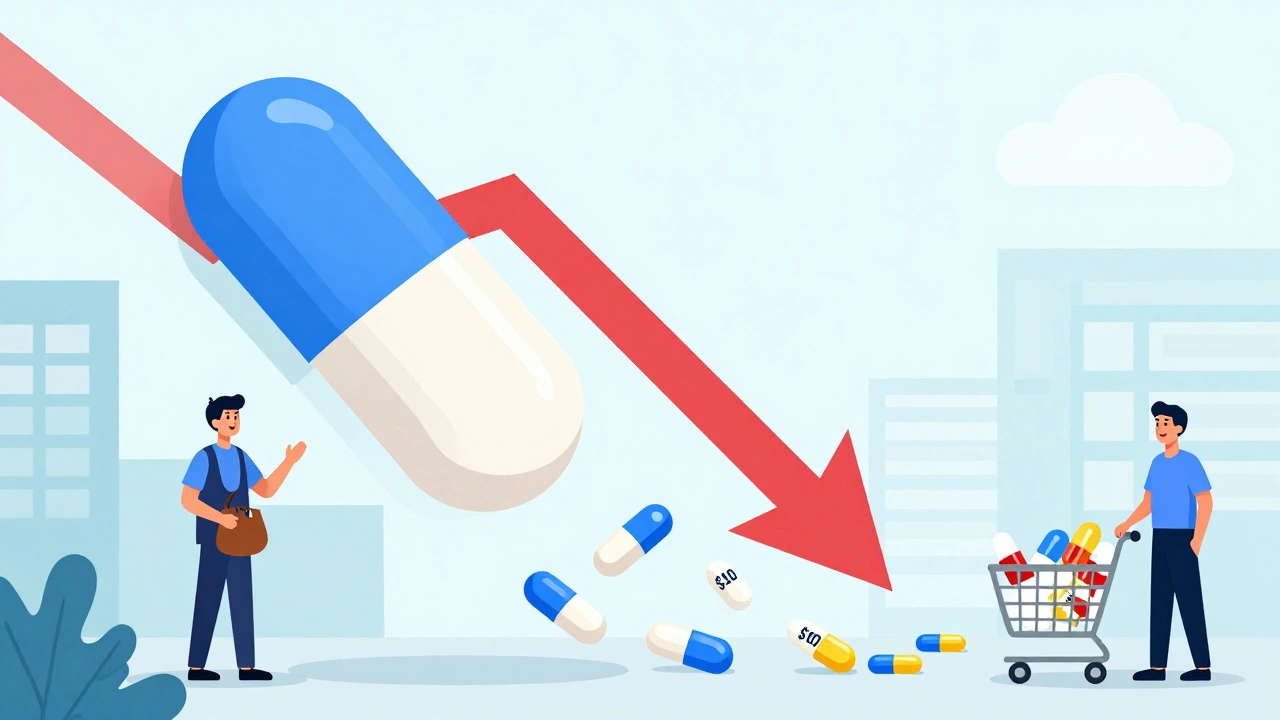
Economic Impact of Patent Expiration: When Drug Prices Drop
When pharmaceutical patents expire, drug prices can drop by 80% or more as generics flood the market. But patent thickets, rebates, and complex regulations often delay savings for patients. Here’s how it really works.
View More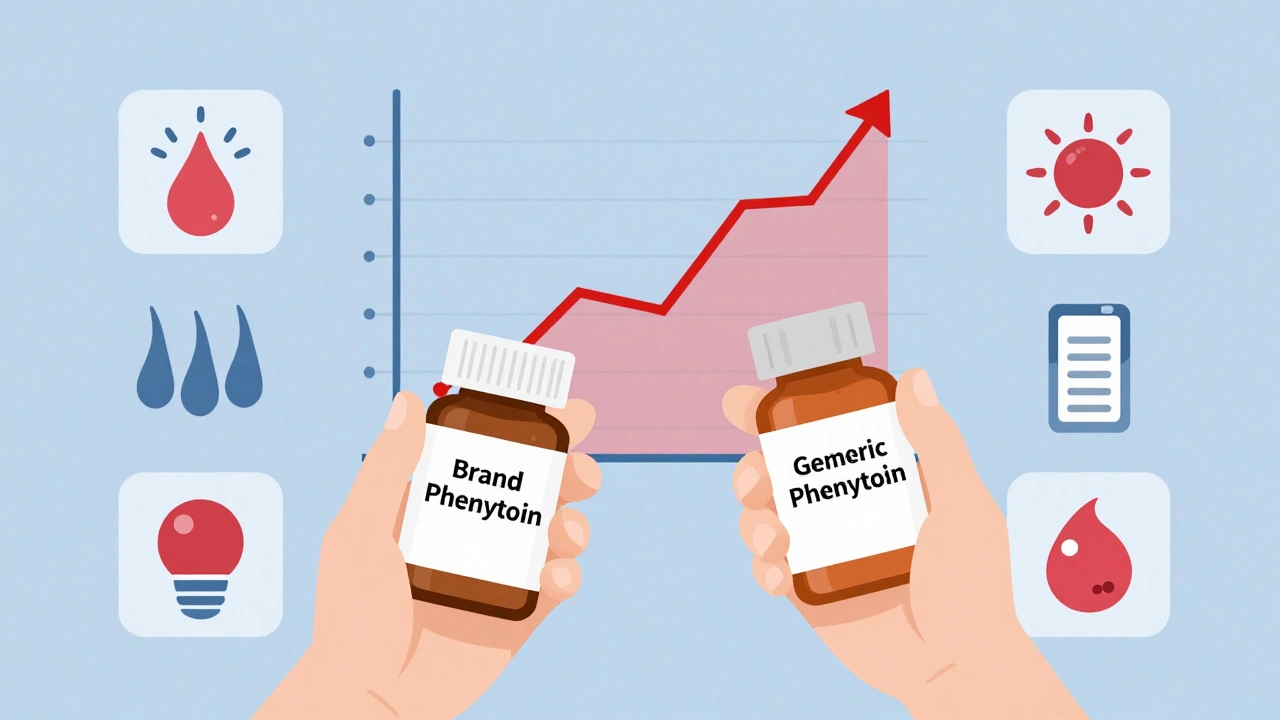
Phenytoin and Generics: What You Need to Know About Therapeutic Drug Monitoring
Switching phenytoin generics can be risky due to its narrow therapeutic range and nonlinear metabolism. Learn when and how to monitor blood levels to avoid toxicity or breakthrough seizures.
View More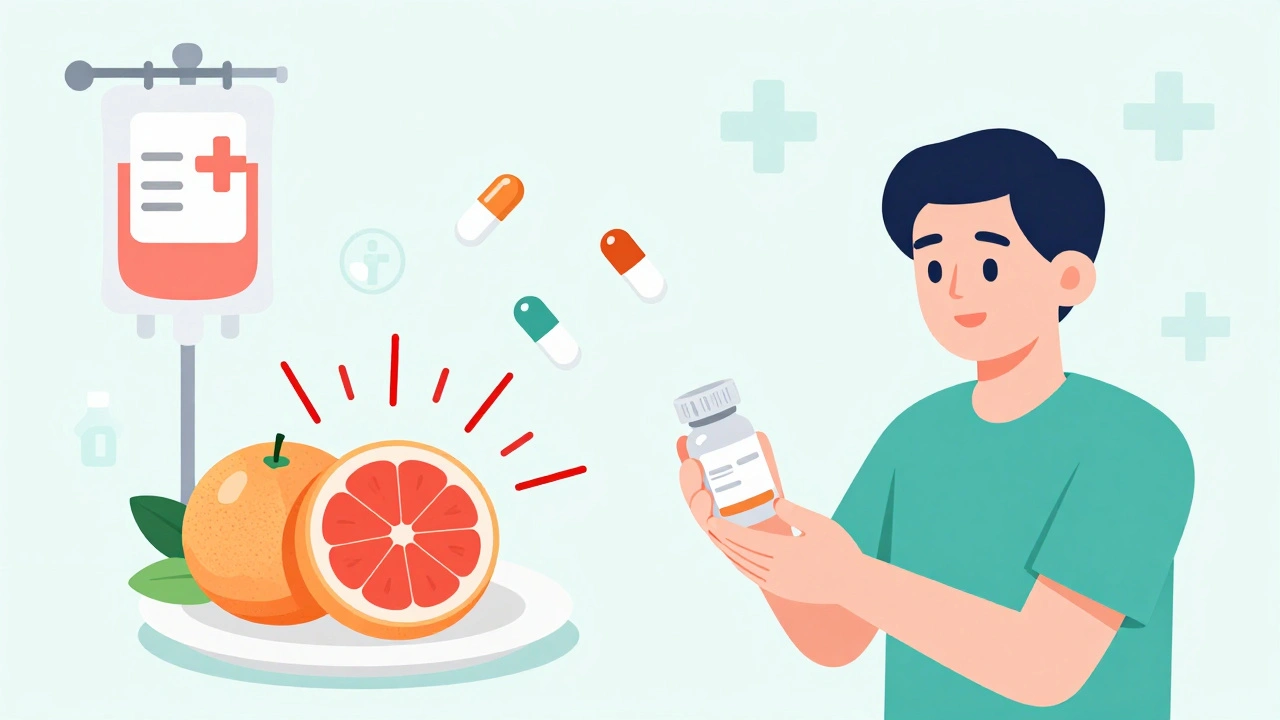
Cancer Medications: Understanding Chemotherapy Drug Interactions and How to Stay Safe
Chemotherapy drug interactions can reduce treatment effectiveness or cause life-threatening side effects. Learn how common medications, supplements, and even foods like grapefruit can interfere with cancer drugs-and what you can do to stay safe.
View More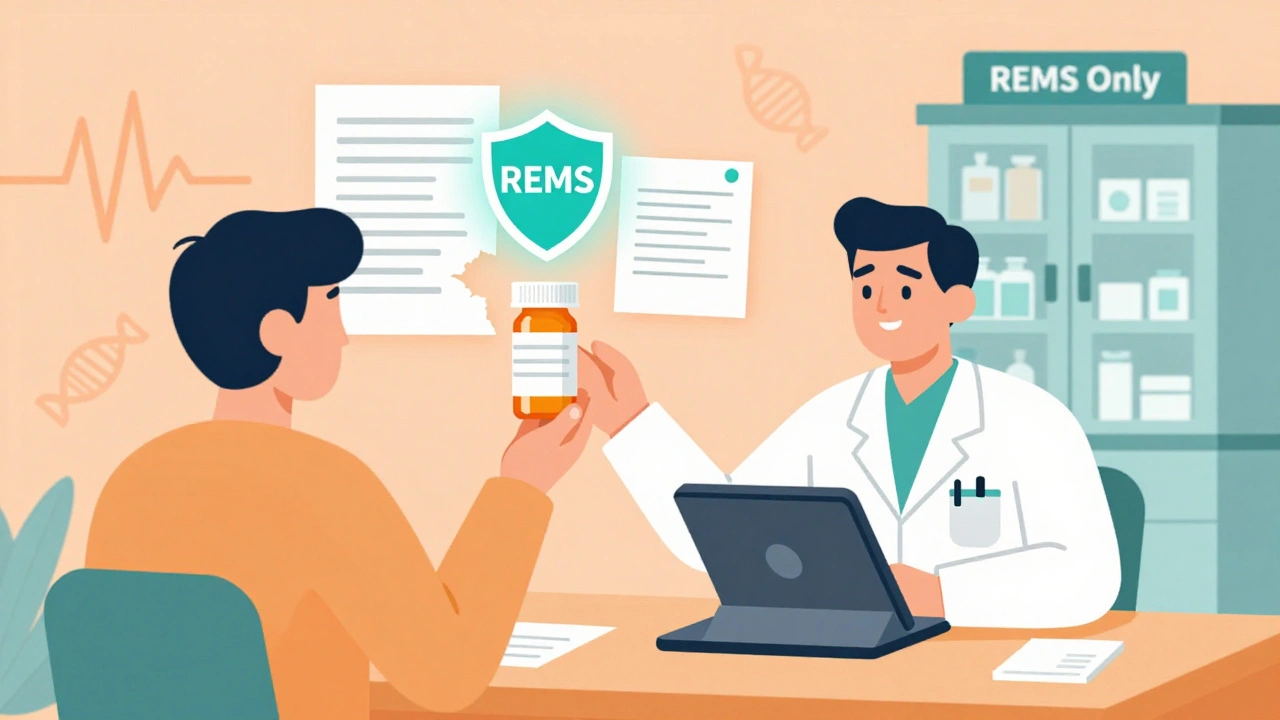
REMS Programs Explained: How the FDA Manages High-Risk Medications
REMS programs are FDA-mandated safety plans for high-risk prescription drugs. They require certifications, registries, and special dispensing rules to prevent serious side effects. Here's how they work - and why they're changing.
View More
Fluoroquinolones and Tendon Rupture: What You Need to Know About the Risk
Fluoroquinolone antibiotics like ciprofloxacin and levofloxacin can cause sudden tendon rupture, especially in older adults or those taking steroids. Know the risks, recognize early signs, and ask for safer alternatives.
View More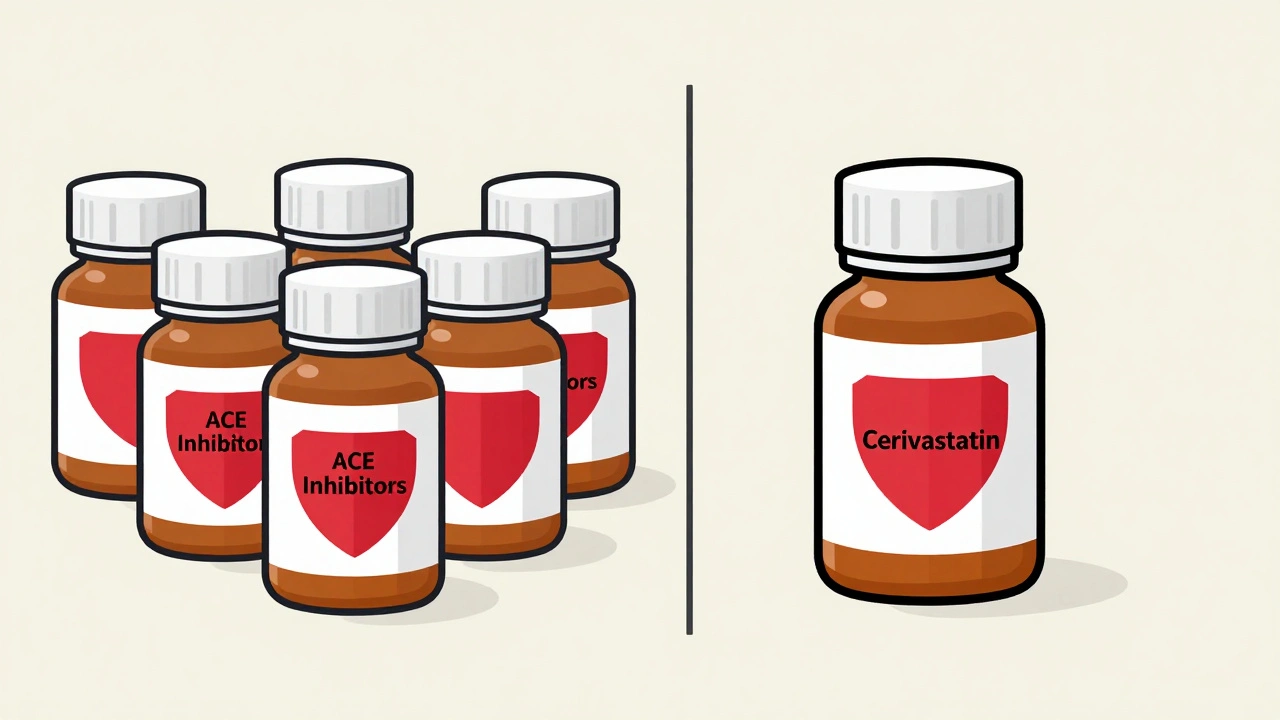
How to Identify Class-Wide vs. Drug-Specific Safety Alerts in Medications
Learn how to tell the difference between class-wide and drug-specific safety alerts from the FDA. Understand why some warnings apply to all drugs in a group and others only to one-and how to make safer decisions.
View More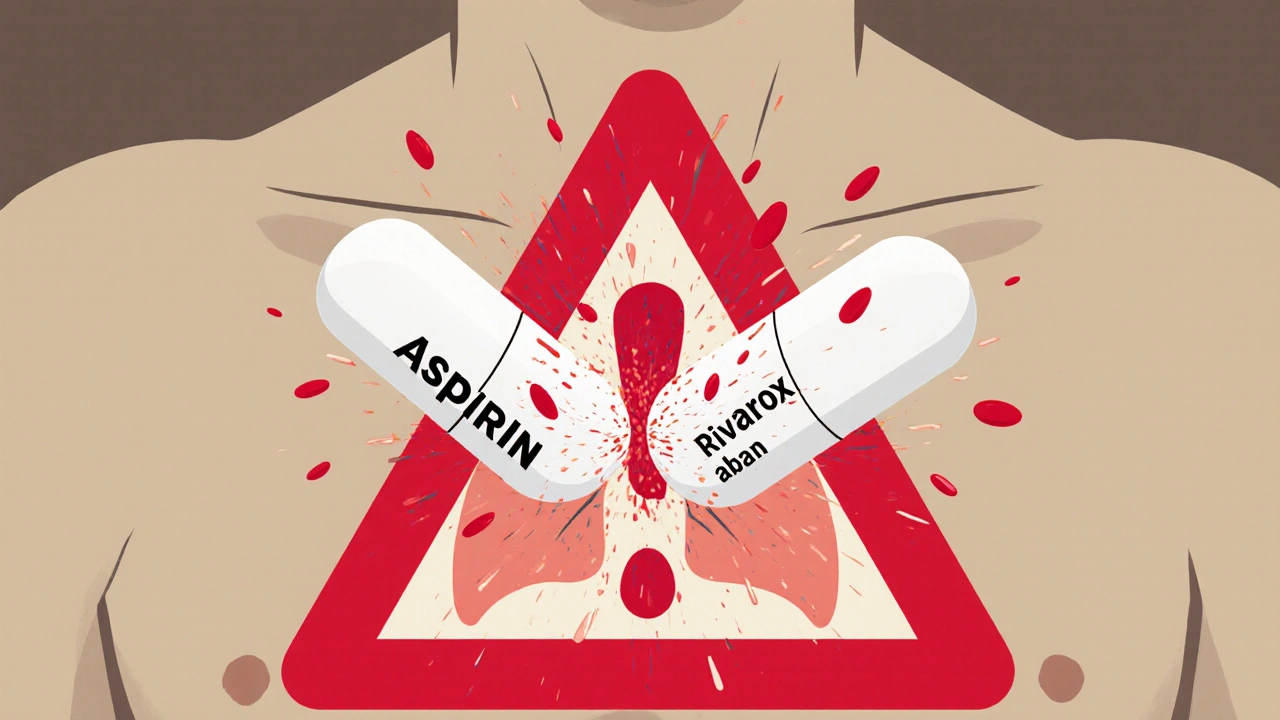
Aspirin with Other Blood Thinners: What You Need to Know About Bleeding Risks
Combining aspirin with other blood thinners doubles the risk of serious bleeding. Learn which combinations are dangerous, what signs to watch for, and when to talk to your doctor about stopping aspirin.
View More
Smoking and Medications: How Cigarettes Alter Drug Levels in Your Body
Smoking changes how your body processes medications, especially those broken down by the CYP1A2 enzyme. This can lead to reduced effectiveness while smoking and dangerous toxicity after quitting. Learn which drugs are affected and how to stay safe.
View More
Antiviral Medications and CYP3A4/P-gp Interactions: What You Need to Know
CYP3A4 and P-glycoprotein control how antiviral drugs work in your body. Ignoring their interactions can lead to dangerous side effects or treatment failure. Here's what you need to know to stay safe.
View More